
Naked: Light
Revealing How Light Talks to Plants
Plants don't simply grow under light—they interpret it. Every day, light tells plants about time, seasons, neighboring plants, water, opportunity, and danger. Those conversations shape everything from flowers and fruit to fragrance, pollinators, and entire ecosystems. This presentation invites you to see your garden through a plant's eyes.
Light is constantly talking to plants—and plants are constantly listening.
- 1. 🌞 Plants Don't See Sunlight
- 2. ❤️ Plant Relationships
- 3. 🌿 Light Changes Everything
- 4. 👀 What Your Plants Are Trying to Tell You
- 5. 🏡 Designing With Light
- 6. 🪴 Indoor Plants
- 7. 🦋 Light Shapes Ecosystems
🌞 Plants Don't See Sunlight. They Interpret It.
Plants don't have eyes, yet they continuously gather information from light using specialized photoreceptors throughout their tissues. Light tells a plant:
- 🌅 What time of day is it?
- 🌞 How intense the sunlight is
- 🌳 Does shading come from neighboring plants
- 🍂 Is the season changing?
- 🌸 Is it time to flower?
- 🛡️ Should it invest energy in growth or defense?
- 🌿 How to contort its leaves and stems
- 💧 Is water loss at risk?
Light is constantly "talking" to plants.
Plants are constantly listening.
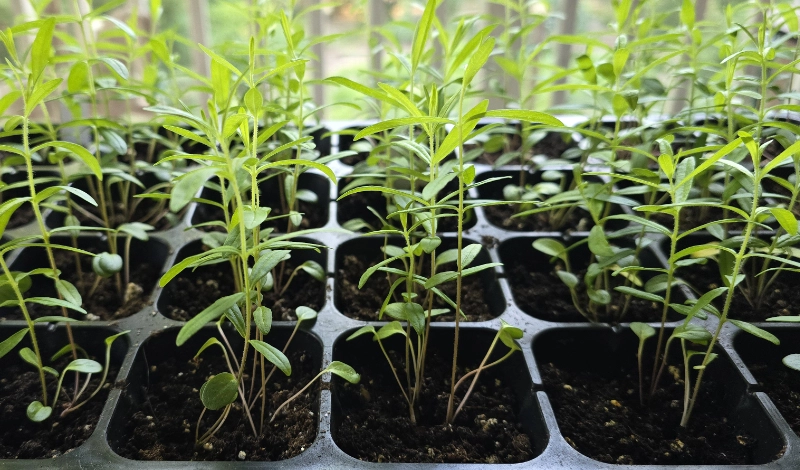
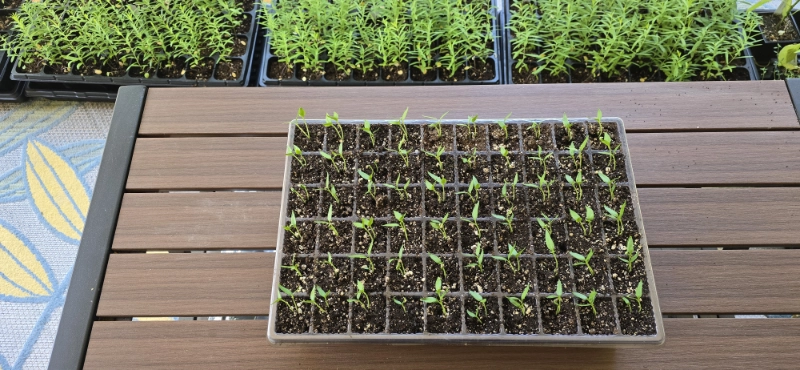
Asclepias tuberosa (Butterfly Milkweed) seedlings
❤️ Plant Relationships
Plants cannot walk, yet they maintain remarkably complex relationships with pollinators, herbivores, fungi, neighboring plants, and even the wind. Light influences nearly every one of those relationships. It helps determine when flowers open, when fragrances are released, which pollinators are attracted, and even how plants defend themselves against insects.
Light is constantly shaping relationships.
Plants are constantly adapting.
🌸 Plants don't simply bloom. They communicate.
- 🐝 When flowers open
- 🌺 When nectar is produced
- 🌼 When fragrances are released
- 🦋 Which pollinators are most likely to visit
- 🌞 How much energy is available to invest in reproduction
- 🍅 Whether flowers become fruit
🤔 Questions Worth Asking
- 💕 Can plants choose their suitors?
- 🌸 Why do some flowers smell stronger in the evening?
- 🐝 Why are bees attracted to one flower but ignore another nearby?
- 🦋 Can flowers advertise in ways humans cannot see?
- 🌿 Can neighboring plants "overhear" an insect attack?
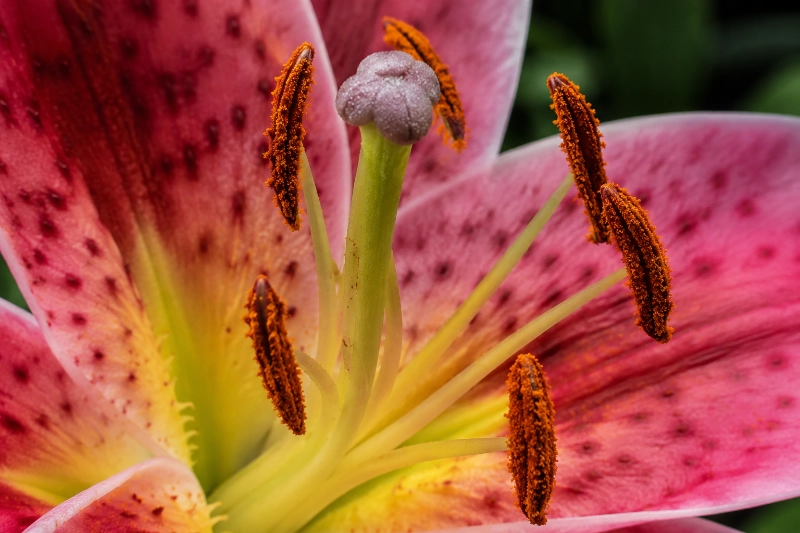
💕 Can plants choose their suitors?
Not consciously—but evolution has equipped plants with remarkable ways of favoring certain pollinators over others. Flower shape, color, fragrance, nectar rewards, pollen characteristics, flowering time, and even the chemistry of the stigma and style all influence which pollen successfully reaches the ovules. In many species, incompatible pollen is recognized and rejected before fertilization.
🌸 Why do some flowers smell stronger in the evening?
Because light helps regulate a plant's internal clock. Many flowers release their strongest fragrances when their preferred pollinators are active. Night-blooming flowers often intensify their scent after sunset to attract moths and other nocturnal visitors, while many day-blooming flowers do the opposite.
🐝 Why are bees attracted to one flower but ignore another nearby?
Light influences the energy available for reproduction. That energy determines how much nectar, pollen, pigment, and fragrance a flower can produce. Even neighboring flowers of the same species may offer very different rewards, and pollinators quickly learn which flowers provide the greatest return.
🦋 Can flowers advertise in ways humans cannot see?
Absolutely. Many flowers display ultraviolet (UV) nectar guides that are invisible to humans but appear as brilliant landing guides to bees and other insects. To a pollinator, the same flower can look completely different from how it does to us.
🌿 Can neighboring plants "overhear" an insect attack?
Yes. When insects feed on leaves, many plants release volatile organic compounds (VOCs) into the air. Nearby plants can detect these airborne chemical signals and begin activating defensive responses before they are attacked. Light influences both the production of these signals and the ability of plants to respond.
🌿 Light Changes Everything
We often think of light as simply providing energy for photosynthesis. In reality, light influences nearly every aspect of a plant's biology. It affects reproduction, water movement, nutrient transport, defense, fragrance, fruit quality, disease resistance, and even the surrounding ecosystem.
Light changes almost everything.
Plants are constantly responding.
🌸 Light influences…
- 🍅 Fruit set
- 💧 Water movement
- 🥬 Nutrient transport
- 🌿 Plant architecture
- 🛡️ Defense against insects
- 🌸 Fragrance production
- 🍓 Fruit quality and flavor
- 🍄 Soil biology
- 🦋 Wildlife interactions
- ⏰ Flowering and seasonal timing
🤔 Questions Worth Asking
- 🍅 Why do tomatoes stop producing fruit in midsummer?
- 💧 Is watering really solving the problem?
- 🥬 Can light influence nutrient deficiencies?
- 🌿 Why do some plants become tall and spindly?
- 🛡️ Can light affect whether insects eat a plant?
- 🍓 Can sunlight change the flavor of a tomato?
- 🍄 Can light influence what happens underground?

🍅 Why do tomatoes stop producing fruit in midsummer?
Light increases heat. When flower temperatures become too high, pollen loses viability and fertilization fails. The flowers may appear healthy, yet fruit never develops.
💧 Is watering really solving the problem?
Sometimes.
But often watering treats the symptom rather than the cause. Excessive light increases leaf temperature, transpiration, and evaporation, causing plants to lose water faster than roots can replace it.
🥬 Can light influence nutrient deficiencies?
Yes. Light drives transpiration, which helps move nutrients such as calcium through the plant. Sometimes the nutrient is present in the soil—but cannot reach the growing tissues fast enough.
🌿 Why do some plants become tall and spindly?
Plants don't simply stretch because there isn't enough light.
They detect changes in light quality, especially the red-to-far-red ratio, telling them that neighboring plants are beginning to shade them.
🛡️ Can light affect whether insects eat a plant?
Absolutely. Light influences how much energy a plant can invest in producing chemical defenses and protective compounds. Healthy plants often defend themselves more effectively than stressed plants.
🍓 Can sunlight change the flavor of a tomato?
Yes.
Light influences the production of sugars, pigments, acids, and aromatic compounds, all of which contribute to flavor.
🍄 Can light influence what happens underground?
Indirectly, yes.
More photosynthesis means more sugars transported to the roots, supporting soil microbes, mycorrhizal fungi, and other organisms that help plants acquire water and nutrients.
👀 What Your Plants Are Trying to Tell You
Plants cannot speak, yet they constantly communicate through their leaves, stems, flowers, and fruit. Every change in appearance reflects a decision the plant has made in response to its environment. Learning to recognize those signals helps us identify the cause, not just the symptom.
Plants are constantly communicating.
Gardeners are constantly learning to listen.
🌿 Plants communicate through...
- 🍃 Leaf curl
- 🌱 Stem elongation
- 🌿 Leaf color
- 🌸 Flower production
- 🍅 Fruit development
- 🍂 Leaf orientation
- 💧 Wilting
- 🌞 Sunscald
- 🛡️ Chemical defenses
🤔 Questions Worth Asking
- 🍃 Why are my tomato leaves curling?
- 🌱 Why is this seedling becoming tall and spindly?
- 💧 Why does my plant wilt even though the soil is moist?
- 🌞 Why are leaves turning pale or scorched?
- 🍅 Why are flowers dropping before fruit develops?
- 🍂 Why do leaves change their angle during the day?
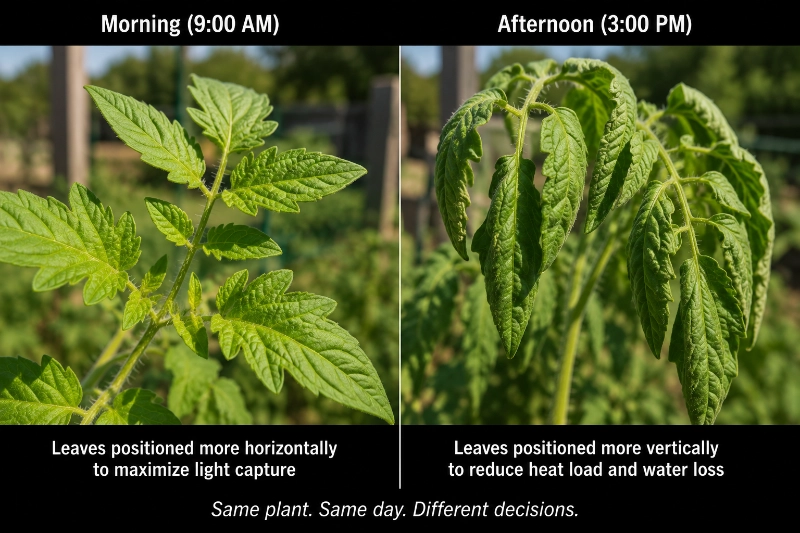
🍃 Why are my tomato leaves curling?
Leaf curl is often a symptom—not the problem itself. Excessive light, heat, water stress, wind, nutrient imbalances, herbicide injury, or disease can all trigger similar responses. The leaves are attempting to reduce water loss and protect themselves.
🌱 Why is this seedling becoming tall and spindly?
Plants don't simply "stretch for light."
They detect changes in light quality, particularly the red-to-far-red ratio, signaling that nearby plants may soon shade them. The result is shade avoidance, a race to reach brighter light.
💧 Why does my plant wilt even though the soil is moist?
Water may be present but unavailable fast enough. High light increases leaf temperature, transpiration, and evaporation. Water demand may temporarily exceed the roots' ability to supply it.
🌞 Why are leaves turning pale or scorched?
Too much light can overwhelm a plant's ability to protect its tissues. Sunscald, bleaching, and heat stress often appear together because intense light also raises leaf temperature.
🍅 Why are flowers dropping before fruit develops?
Healthy flowers do not guarantee healthy fruit.
High temperatures—often driven by intense sunlight—can reduce pollen viability, preventing successful fertilization even when the flowers appear perfectly normal.
🍂 Why do leaves change their angle during the day?
Leaves are not fixed in place.
Many plants continuously adjust leaf orientation to optimize photosynthesis, reduce overheating, or limit water loss. They are constantly responding to changing light conditions.
🏡 Designing With Light
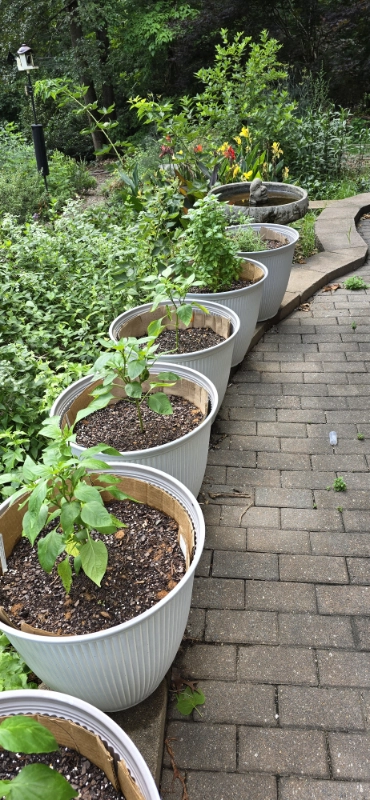
Plants don't grow in places—they grow in microclimates. A garden is rarely just "sunny" or "shady." Trees, buildings, fences, walls, patios, containers, and even neighboring plants create dramatically different light environments only a few feet apart.
Light is constantly shaping microclimates.
Plants are constantly adapting.
🌞 Designing with light means observing..
- 🌅 Morning vs. afternoon sun
- 🌳 Seasonal shade patterns
- 🧱 Reflected light from walls and patios
- 🪴 Container heat buildup
- 🏠 Covered porches and decks
- 🌿 Competition from neighboring plants
- 🌡️ Root-zone temperature
- 💨 Wind and evaporative demand
🤔 Questions Worth Asking
- 🪴 Why does this container need water twice as often as another nearby?
- 🏠 Why do plants struggle on a bright covered porch?
- 🧱 Can a brick wall change how a plant grows?
- 🌞 Is afternoon sun always better than morning sun?
- 🌡️ Are my roots hotter than my leaves?
- 🌳 Is my garden changing as my trees mature?
🪟 Why does my bright living room seem dark to my plants?
Our eyes constantly adjust to brightness. Plants cannot. Even a sunny window often provides only a fraction of the light available outdoors. A location that looks bright to us may be interpreted by a plant as deep shade.
🌱 Why can't seedlings go directly into full sun?
Seedlings are not miniature adult plants. Their leaves are thin, their protective waxes are still developing, and they have not yet adapted to intense sunlight. Hardening off allows plants to gradually rebuild themselves for a brighter, hotter world.
💡 Can grow lights replace sunlight?
Often, yes—but only when they provide enough usable light for the plant's needs. Success depends on light intensity, duration, distance from the plant, and coverage, not simply whether the light is "on."
📏 Does moving a plant one foot really matter?
Sometimes it makes an enormous difference. Light intensity drops rapidly with distance from a window or grow light. A plant moved only a short distance may receive dramatically less usable light.
🌿 Can a houseplant survive but never truly thrive?
Absolutely. Many indoor plants survive under low light by slowing their growth. Surviving, growing, flowering, and fruiting are very different biological goals.
🍅 Why do indoor seedlings often become leggy?
When seedlings detect insufficient light, they invest energy in stem elongation instead of producing thicker stems and stronger leaves. The plant is trying to reach a brighter environment.
🪴 Indoor Plants
Indoor plants don't experience the same world as outdoor plants. A room that appears brilliantly lit to us may provide only a small fraction of the usable light available outdoors. Plants respond to the light they receive—not the brightness we perceive.
Light is constantly changing indoors.
Plants are constantly measuring it.
🏡 Indoor gardening means observing..
- 🪟 Window direction
- ☀️ Seasonal sun angle
- 📏 Distance from the window
- 💡 Grow light placement
- 🌱 Seedlings vs. mature plants
- 🌿 Hardening off
- 🌙 Day length (photoperiod)
🤔 Questions Worth Asking
- 🪟 Why does my bright living room seem dark to my plants?
- 🌱 Why can't seedlings go directly into full sun?
- 💡 Can grow lights replace sunlight?
- 📏 Does moving a plant one foot really matter?
- 🌿 Can a houseplant survive but never truly thrive?
- 🍅 Why do indoor seedlings often become leggy?
🪟 Why does my bright living room seem dark to my plants?
Our eyes constantly adjust to brightness. Plants cannot. Even a sunny window often provides only a fraction of the light available outdoors. A location that looks bright to us may be interpreted by a plant as deep shade.
🌱 Why can't seedlings go directly into full sun?
Seedlings are not miniature adult plants. Their leaves are thin, their protective waxes are still developing, and they have not yet adapted to intense sunlight. Hardening off allows plants to gradually rebuild themselves for a brighter, hotter world.
💡 Can grow lights replace sunlight?
Often, yes—but only when they provide enough usable light for the plant's needs. Success depends on light intensity, duration, distance from the plant, and coverage, not simply whether the light is "on."
📏 Does moving a plant one foot really matter?
Sometimes it makes an enormous difference. Light intensity drops rapidly with distance from a window or grow light. A plant moved only a short distance may receive dramatically less usable light.
🌿 Can a houseplant survive but never truly thrive?
Absolutely. Many indoor plants survive under low light by slowing their growth. Surviving, growing, flowering, and fruiting are very different biological goals.
🍅 Why do indoor seedlings often become leggy?
When seedlings detect insufficient light, they invest energy in stem elongation instead of producing thicker stems and stronger leaves. The plant is trying to reach a brighter environment.
🦋 Light Shapes Ecosystems
Light doesn't stop at the plant. By influencing flowers, nectar, pollen, fruit, leaves, and chemical defenses, light also shapes the insects, birds, mammals, fungi, and microbes that depend on plants. Every garden is an ecosystem built upon the conversations between light and plants.
Light is constantly shaping ecosystems.
Nature is constantly responding.
🌎 Light influences...
- 🐝 Pollinators
- 🦋 Butterflies
- 🐛 Herbivores
- 🐦 Birds
- 🍓 Fruit production
- 🌸 Nectar availability
- 🌿 Habitat structure
- 🍄 Soil organisms
- 🌱 Future generations of plants
🤔 Questions Worth Asking
- 🐝 Can changing light change which pollinators visit my garden?
- 🌸 Why do some plants bloom heavily while others barely flower?
- 🦋 Can light affect butterfly populations?
- 🐦 Can trees change bird populations without ever touching them?
- 🍓 Why do shaded plants often produce fewer fruits?
- 🌿 Can one tree change an entire garden ecosystem?
🐝 Can changing light change which pollinators visit my garden?
Absolutely. Light influences flower production, nectar availability, fragrance, and flowering time. As plants change, so do the pollinators that depend upon them.
🌸 Why do some plants bloom heavily while others barely flower?
Flowers require energy. Plants receiving insufficient light often invest more in survival than reproduction, producing fewer flowers and less nectar.
🦋 Can light affect butterfly populations?
Indirectly, yes. Caterpillars require healthy host plants, while adult butterflies depend upon nectar-producing flowers. Light influences both.
🐦 Can trees change bird populations without ever touching them?
Yes. As trees mature they alter light, flowering, fruit production, insect abundance, and habitat structure, changing the resources available to birds throughout the garden.
🍓 Why do shaded plants often produce fewer fruits?
Fruit is expensive. Plants growing in shade often have less energy available for reproduction, resulting in fewer flowers, fewer successful pollinations, and reduced fruit production.
🌿 Can one tree change an entire garden ecosystem?
Every mature tree creates new microclimates. Those changes ripple through the ecosystem, influencing which plants thrive, which insects arrive, which birds visit, and ultimately how the entire garden functions.